Understanding Roofing Gauges in Kenya — What the Numbers Mean
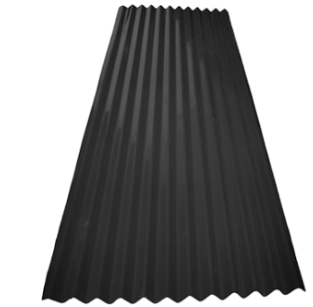
Walk into any roofing shop in Kenya and you will hear terms like “Gauge 28,” “Gauge 30,” or “Gauge 32.” But what do these numbers actually mean — and how do they affect the quality and cost of your roof?
What is a Gauge? In roofing, “gauge” refers to the thickness of the steel sheet. Counterintuitively, the lower the gauge number, the thicker the steel. So Gauge 28 is thicker — and heavier — than Gauge 32.
Breakdown of Common Gauges in Kenya
Gauge 28 — The heaviest commonly used gauge. Ideal for large commercial buildings, warehouses, and structures in high-wind areas. More expensive but extremely durable.
Gauge 30 — The sweet spot for most Kenyan residential homes. Strong enough to handle local weather conditions, yet affordable for the average homeowner.
Gauge 32 — The lightest and cheapest option. Suitable for temporary structures, farm buildings, and outhouses. Not recommended for permanent residential use.
What Should You Choose? For a standard family home, Gauge 30 offers the best value for money. If you are building in a coastal or high-altitude area with strong winds and heavy rain, consider stepping up to Gauge 28. Avoid Gauge 32 for any structure where durability matters.
Pro Tip Always confirm the actual thickness of the sheet before purchasing. Some unscrupulous sellers mislabel thinner sheets with higher gauges. Buy from certified, reputable suppliers to guarantee what you pay for.
Your gauge choice today determines how many years of peace of mind you enjoy tomorrow.