The Rise of Stone-Coated Roofing in Kenya’s Middle-Class Housing Market
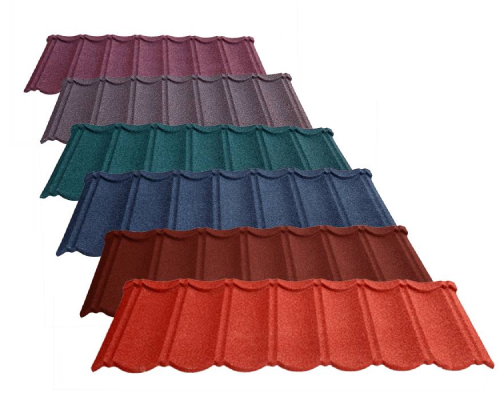
Over the last decade, a quiet revolution has been taking place on the rooftops of Kenya’s growing middle-class neighbourhoods. Stone-coated roofing tiles — once considered a luxury reserved for high-end estates — are now appearing in suburbs across Nairobi, Kisumu, Nakuru, and beyond. What is driving this shift?
Aesthetics That Speak for Themselves Kenya’s urban homeowner is more design-conscious than ever before. Stone-coated tiles offer the timeless beauty of clay or concrete tiles, but with the strength and longevity of steel underneath. The result is a roof that is as attractive as it is tough.
Performance in Kenya’s Climate Kenya’s climate puts roofs through their paces — intense equatorial sun, heavy seasonal rains, and significant temperature swings. Stone-coated tiles handle all of these extremely well. Their granular surface reduces solar heat absorption, their steel core resists hail and impact damage, and their interlocking design provides excellent waterproofing.
Noise Reduction One of the most common complaints about iron sheet roofs in Kenya is rain noise. Stone-coated tiles are significantly quieter — a feature that resonates strongly with homeowners tired of conversations being drowned out during downpours.
Long-Term Value Stone-coated tiles typically carry a 30–50 year warranty. While the upfront cost is higher than standard mabati, the elimination of repainting, re-fixing, and replacement costs means the total cost of ownership is often lower over the life of the building.
The Bottom Line As Kenya’s construction market matures, the demand for durable, beautiful, and low-maintenance roofing will only grow. Stone-coated tiles are perfectly positioned to meet that demand.
Invest in a roof that your grandchildren will still admire.